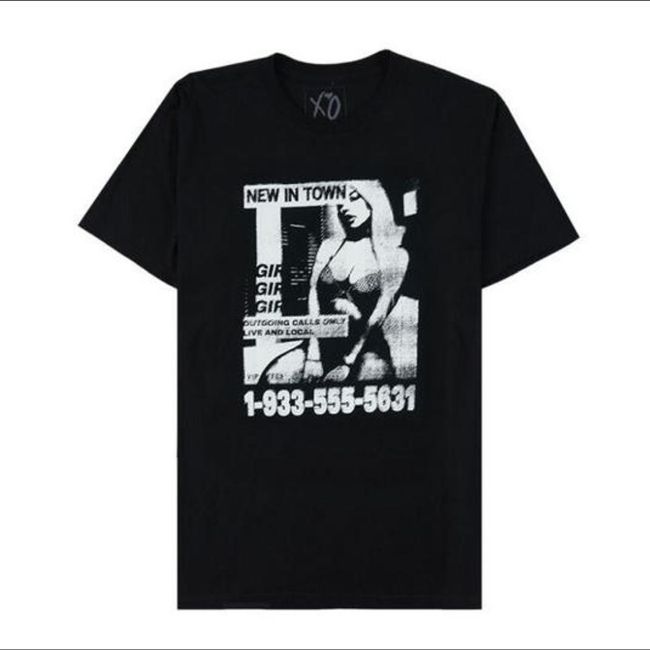
As a society, we’ve always been drawn to celebrities. We watch their movies, listen to their music, and follow their lives with an almost obsessive interest. But in recent years, this fascination has taken on a new dimension with the rise of merchandise or “merch” as it’s colloquially known. From band t-shirts and posters to action figures and limited-edition sneakers, fans can’t seem to get enough of these tangible pieces of pop culture.
Merchandise serves as a physical representation of our fandom. It allows us to express our love for a particular artist or franchise in a visible way. Moreover, owning merchandise often feels like having a piece of that beloved entity; it’s an extension of the fan experience beyond just consuming media content.
The appeal also lies in the exclusivity factor that often comes with merchandising products. Limited edition releases create urgency amongst consumers who don’t want to miss out on owning something unique related to their favorite artist or brand. This scarcity principle drives demand and prompts fans into immediate action whenever new items drop.
Additionally, merchandise can offer fans a sense of belonging and identity. Just like sports jerseys unite supporters under one banner, wearing your favorite band’s t-shirt or displaying your favorite author’s signed poster helps you identify yourself as part of a larger community who shares your passion.
Moreover, there is an emotional connection tied up with buying merch – particularly when it relates directly back to specific events such as concerts or conventions. These items serve not only as mementos from those experiences but also provide tangible proof that you were part of something special.
In some cases, purchasing merchandise goes beyond mere fandom; it becomes an investment strategy too! Some highly sought-after items appreciate over time due to rarity and desirability making them valuable collector’s items down the line.
From both psychological and economic perspectives then, the allure behind Busted shop merchandise is multi-faceted: expressionism meets consumerism, fandom meets fashion, and investment meets sentiment. It’s a potent mix that shows no signs of slowing down.
However, it’s important to remember that while merchandise can enhance your fan experience, it doesn’t define it. The heart of any fandom lies in the shared love for the music, film, book or game itself. Merchandise is just an additional layer to this passion – a fun and often exciting one – but not its core.
In conclusion, the popularity of busted merchandise isn’t surprising given our ever-growing fascination with pop culture. As long as there are fans willing to wear their hearts on their sleeves (or rather on their t-shirts), the demand for these tangible tokens of admiration will continue to soar sky-high.